
10
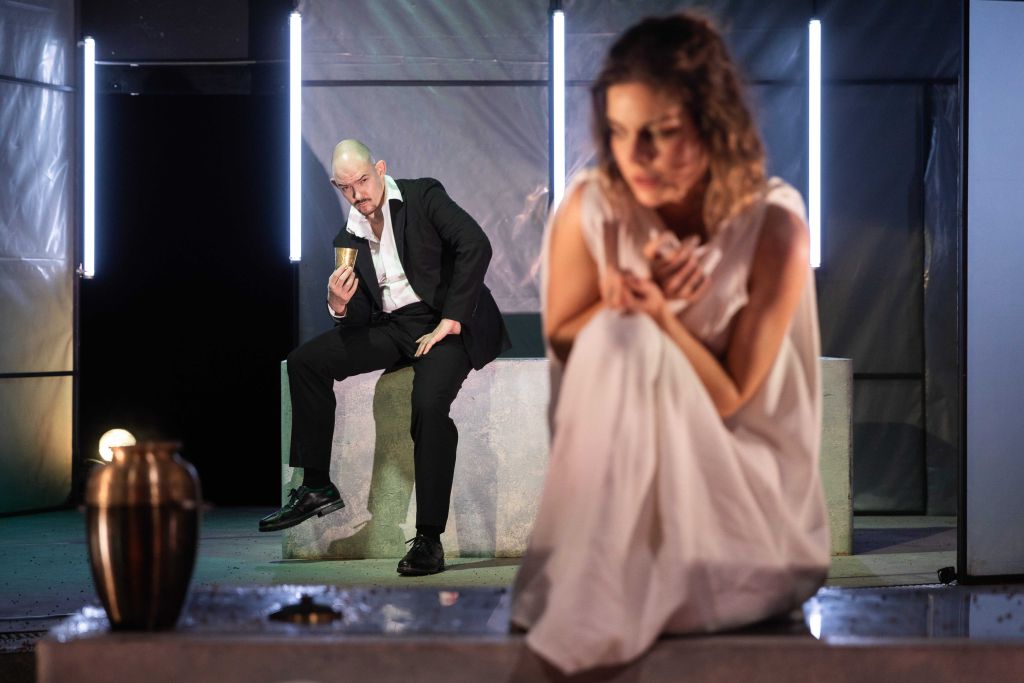
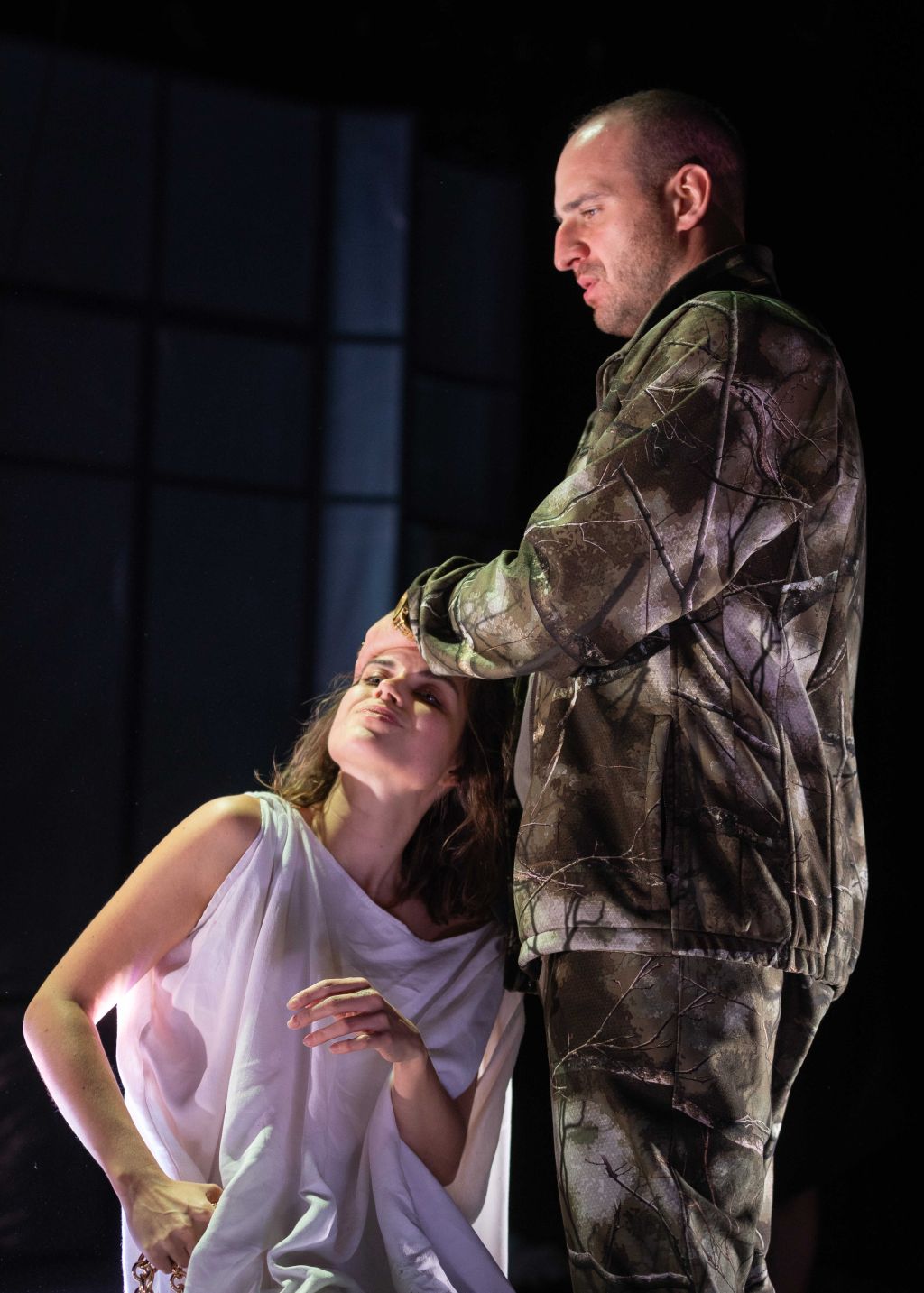
Hungarian Electra
tragedy in Hungarian from Sophocles' Electra
more
tragedy in Hungarian from Sophocles' Electra
more
Ön egy múltbeli eseményre keresett rá. Kérjük, válogasson aktuális kínálatunkból a Jegy.hu keresőjében!
Last event date: Friday, April 24 2026 7:30PM
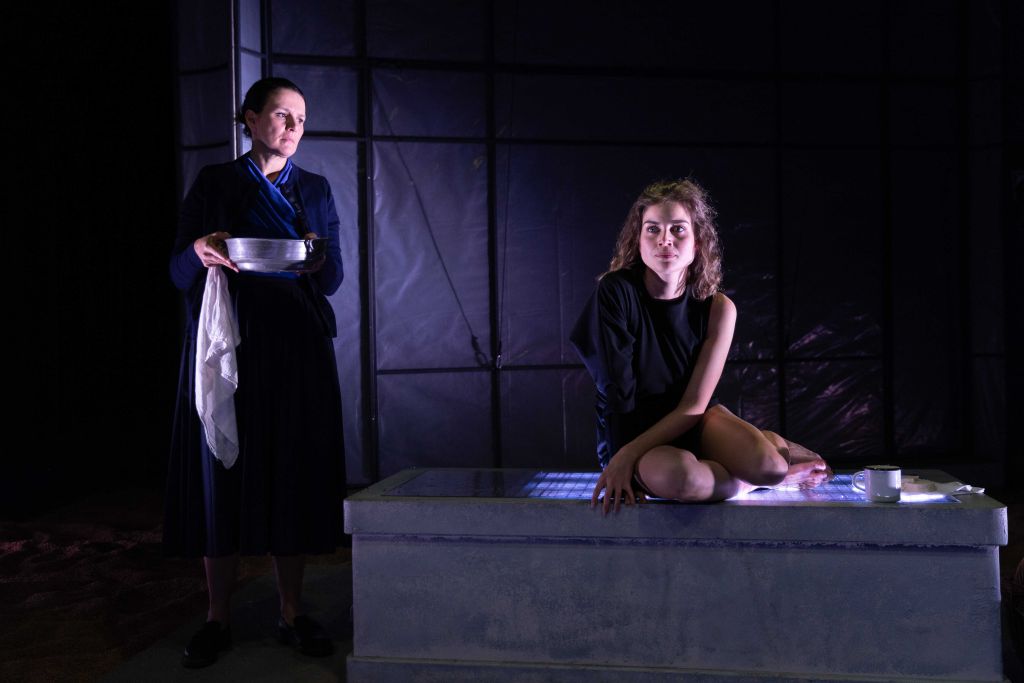
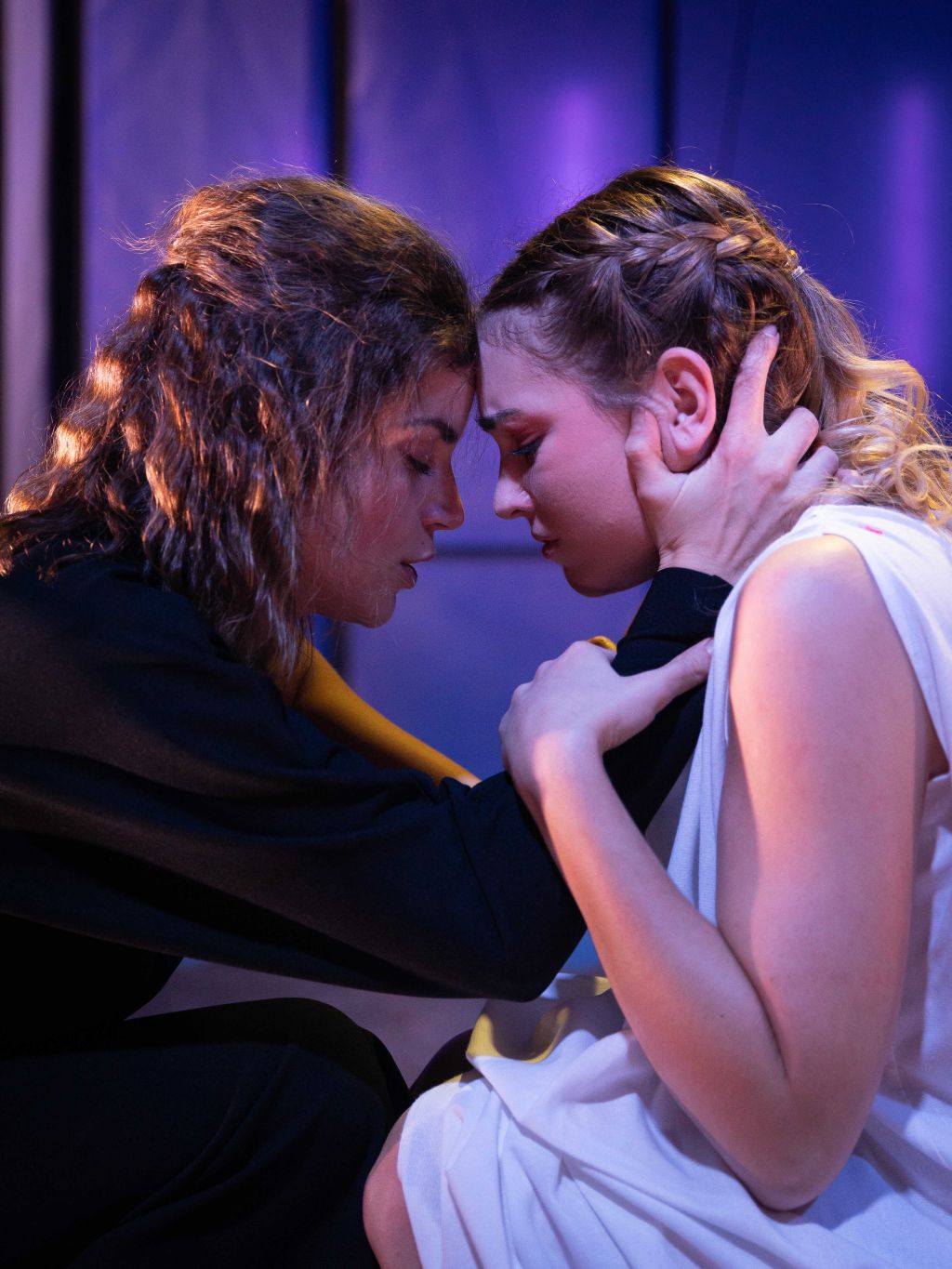
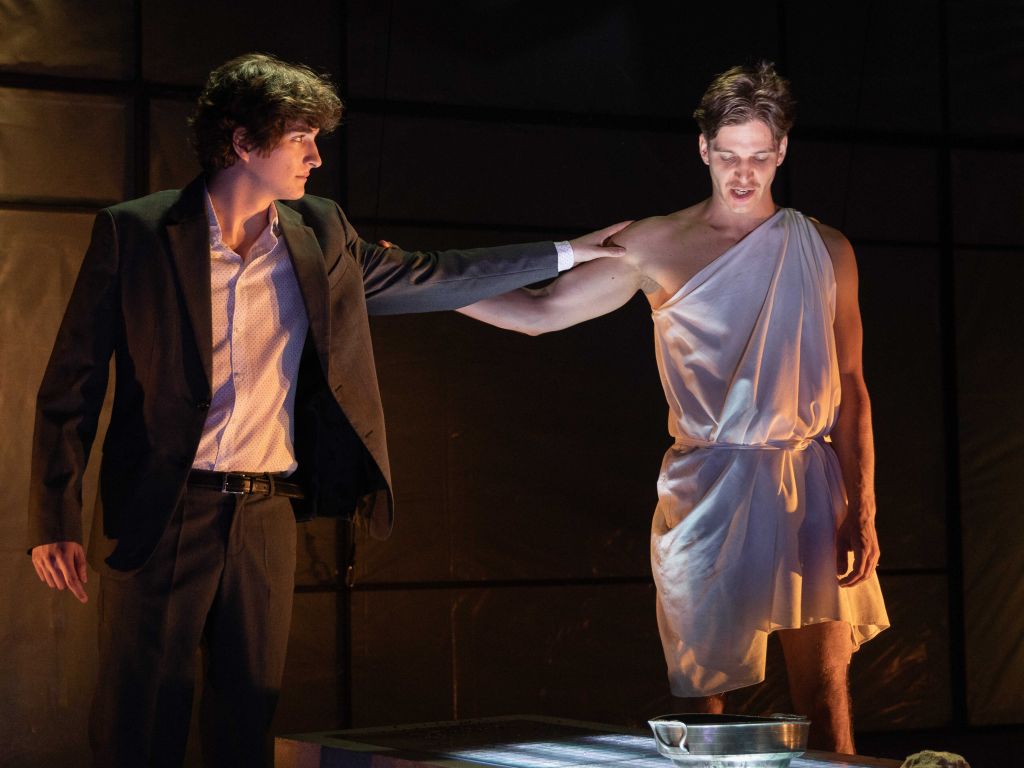
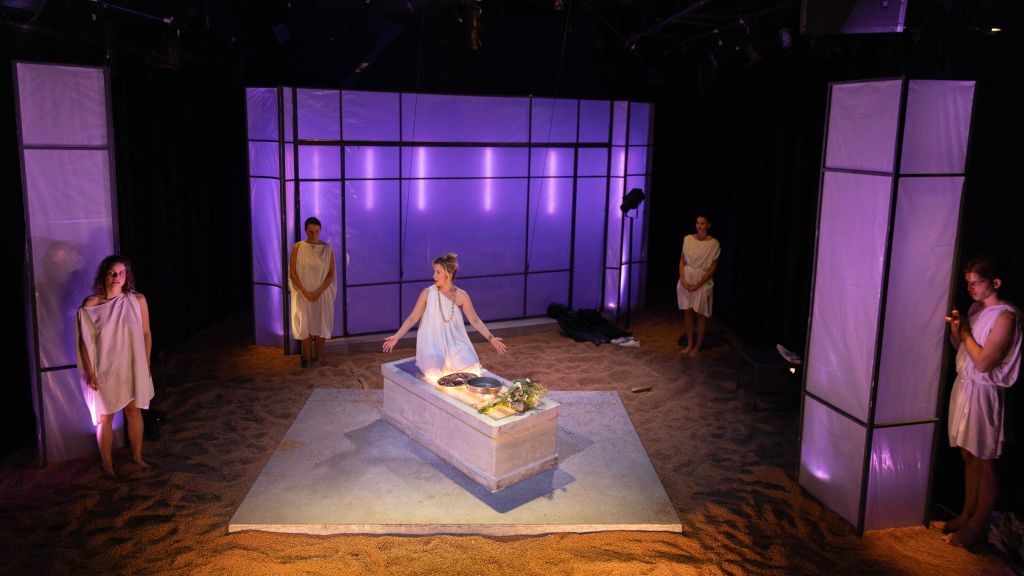
Almost 500 years ago, Péter Bornemisza translated and adapted one of the most famous and powerful Greek dramas of mankind, Sophocles' Electra. Bornemisza wrote a real Hungarian story, a contemporary drama from the ancient masterpiece, which has become so timeless that we can still recognize ourselves and our world in its characters. Hungarian Elektra is the work of a great playwright: it is linguistically mature and perfect, and it clearly shows the intellectual power and richness of thought of its author. And although the language seems difficult at first, if the English watch Shakespeare in the original, why can't we do this with an old Hungarian play?



Minden normális, modern férfinak három menyasszony az ideális, csak légiutas-kísérők legyenek, és menetrend szerint elkerüljék egymást.
Jó belegondolni, hogy akit régen szerettünk, mára talán megtalálta számítását. Mégis, ha összetalálkozunk, váratlan érzések támadnak az emberre.
Claude Magnier legendás bohózatában Louis de Funès 13 év alatt több mint hatszázszor játszotta Barnier szerepét – amit filmen később Sylvester Stallone tett ismertté az egész világon.
Örkény István, a groteszk mestere, az Egyperces novellák szerzője, most egy egész estén át szórakoztat: adott egy kedves kiscsalád, és…
„Hallgató legyen a talpán, aki ebben a már – már fullasztó akusztikus forgalomban, szemétben, áradatban ki tudja választani a mégis…
Ki ne ismerné Pom Pomot, Gombóc Artúrt, Órarugógerincű Felpattanót, Radírpókot, a Nagy Hoh-ho-ho Horgászt, Mirrmurrt vagy akár Süsüt, az egyfejű…
item(s) in basket
total:
Time limit has expired. Please, put item(s) in to basket again.
Legyen részese minden pillanatnak!
Kövessen bennünket közösségi felületeinken, hogy ne maradjon le a friss hírekről, kulisszatitkokról és a Thália Színház legizgalmasabb újdonságairól.